Family & Parenting
Only Children And The Assumptions Made About Them
The popular picture of the only child has persisted for over a century despite weak support, and the family structures behind it explain more than the birth order does.
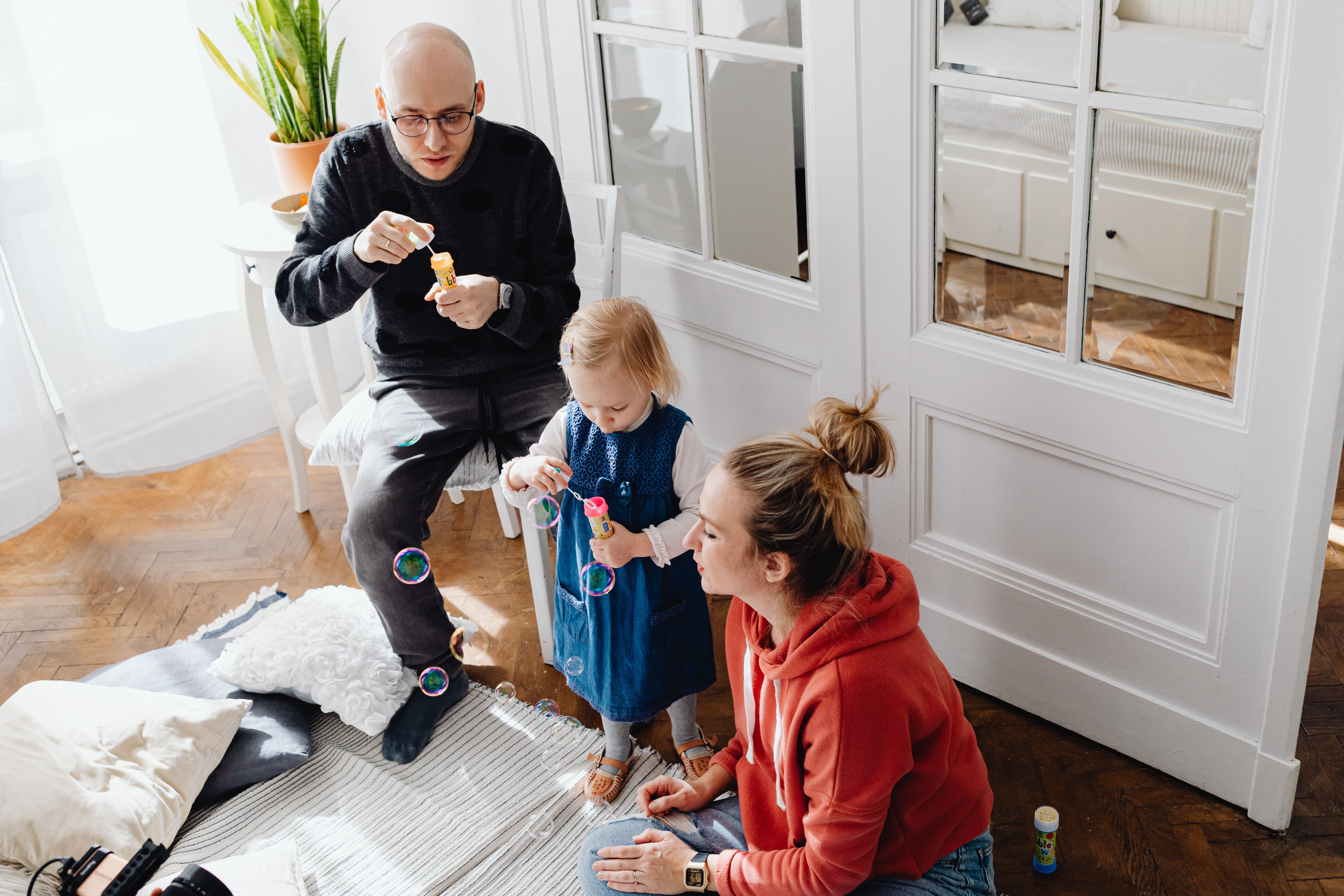
Only children are described in a remarkably consistent way across cultures, and the description has proved durable despite limited evidence behind it. The stereotype is worth examining on its own terms.
The stereotype has a specific origin
The idea that a child without siblings will be socially impaired dates from early psychological writing in the late nineteenth century, and it entered common speech quickly.
It arrived at a moment when large families were the norm, so the only child was genuinely unusual and unusual arrangements attract explanation.
The description outlived the conditions that made it seem obvious, and it now circulates as folk knowledge with the confidence that folk knowledge tends to carry.
Sibling numbers correlate with other things
Family size is bound up with income, parental age, health, housing and how many hours parents work, all of which affect children independently of sibling count.
Separating the effect of having no siblings from the effect of the circumstances that produced a one-child family is genuinely difficult, and much of the older writing did not attempt it.
This is the ordinary problem of confounding, and it means confident claims in either direction should be treated with some caution.
Attention is concentrated rather than divided
What is structurally distinctive about an only child's household is that adult attention is not split, which has consequences in both directions.
More adult conversation and fewer competing demands can accelerate certain kinds of development, while the absence of a peer at home removes a particular training ground for negotiation.
Children fill that gap elsewhere through friendships, school and cousins, which is why the effect is smaller than the stereotype assumes.
The pressure sits on the adults too
Parents of an only child often describe a concentrated quality to their worry, since there is no second run at anything and no comparison inside the household.
They also frequently report being asked to justify the decision, which is a social demand rarely made of parents with two children and never made of those with three.
Some of the intensity attributed to only children may therefore originate with the adults around them rather than with the arrangement itself.
The later question is about care
Where the structure does become materially different is in adulthood, when responsibility for ageing parents falls to one person without anyone to share deliberation with.
This is a practical consequence rather than a psychological one, and it is the aspect that adults who grew up without siblings most consistently raise themselves.
It is also the part that partners inherit, since a spouse frequently becomes the only person available for the discussions a sibling would otherwise have shared.
Also by Martina Vogel
- Starting again, with what you know nowEndings & Repair
- The conversation that ends itEndings & Repair
- Talking to a partner about their familyCommunication
- Grief in a coupleEndings & Repair