Family & Parenting
Adult Children Moving Back Home
Returning to a parental household after living independently reactivates old roles for everyone involved, and most of the friction comes from unstated assumptions about status.
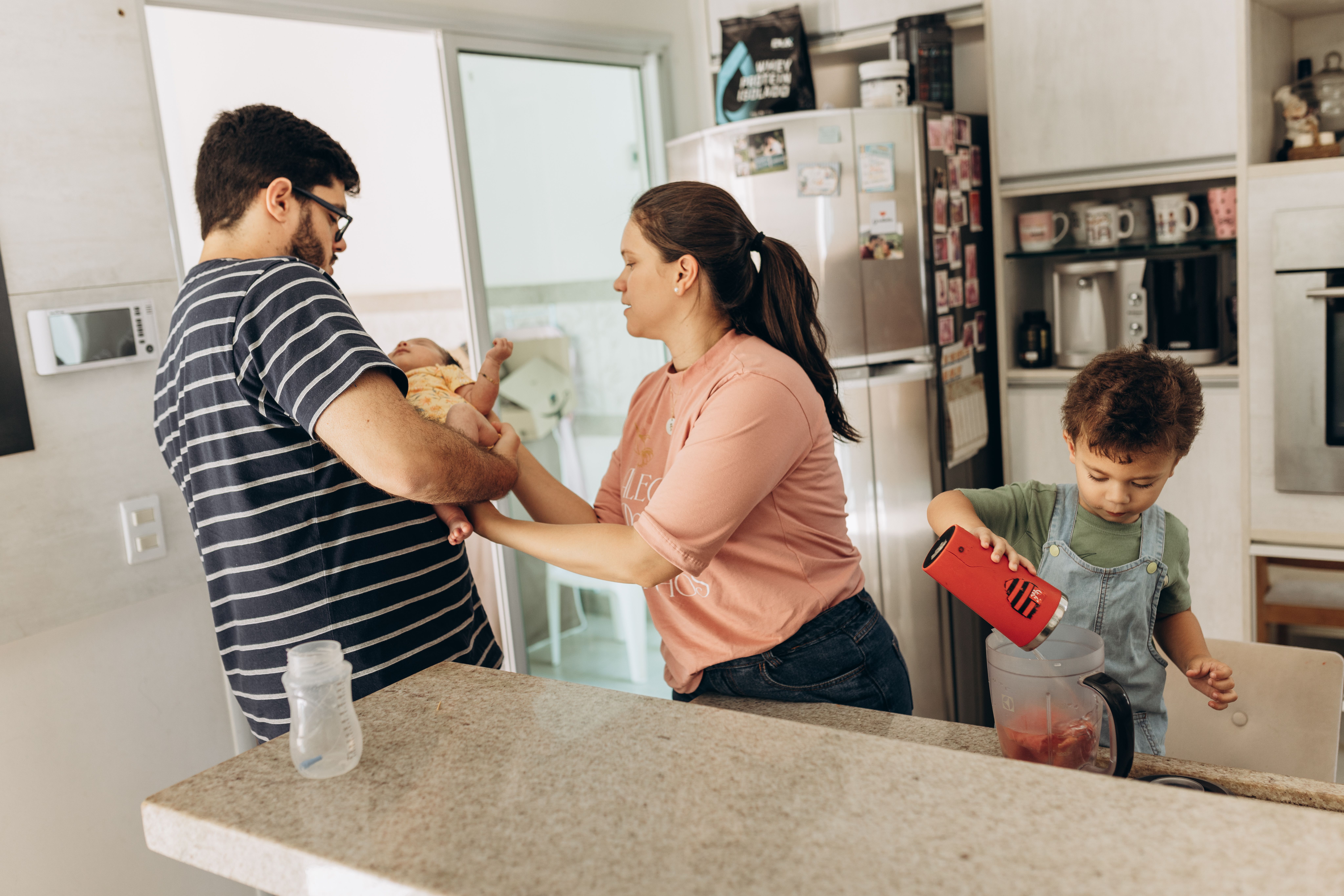
An adult returning to live with parents is a common arrangement and a structurally awkward one. The difficulty is rarely about space, and almost always about which relationship is operating.
Two relationships occupy the same house
Parents and adult children usually maintain a peer-adjacent relationship at a distance, conducted by choice and on neutral ground with both parties as independent adults.
Under one roof, the older arrangement reasserts itself, complete with its habits about mealtimes, noticing absences and commenting on choices that would pass unremarked otherwise.
Both sides tend to be surprised by how quickly this happens, having assumed that adulthood had settled the question permanently.
The physical setting supplies cues
Old rooms, old routines and old seating arrangements are dense with reminders of an earlier configuration, and people slot back into positions without deciding to.
This is the same effect that makes adult siblings revert at family gatherings, operating continuously rather than for an afternoon.
Small alterations to the setting — a different room, a rearranged space, an area treated as private — reduce the cueing noticeably, which is why they are worth more than they look.
Money changes the meaning of everything else
Whether rent is paid, and how much, sets the terms for questions about coming home late, using the kitchen or having people to stay.
Households that leave this vague tend to have the underlying disagreement repeatedly in other forms, because there is no settled account of what the arrangement is.
Explicit terms feel excessively formal to many families, but they remove the ambiguity that otherwise attaches itself to ordinary domestic decisions.
The return usually carries a reason
People move back after a job ends, a relationship ends, an illness or a housing cost that became impossible, and the reason sits in the house alongside them.
Parents wanting to help often ask about progress frequently, which reads as pressure precisely because the returning adult is already measuring themselves against the same standard.
Families that agree a review point rather than conducting a rolling assessment generally find the daily atmosphere improves, because the subject has a designated place.
Duration is the variable that matters
Arrangements described as temporary are tolerated differently from arrangements with no stated end, even where the actual length turns out to be identical.
An open-ended stay tends to accumulate unspoken grievances, since nobody wants to raise a subject that would imply asking someone to leave.
Naming an approximate horizon, however loosely, gives both sides something to plan against and makes the intervening period considerably easier to inhabit.
Also by Martina Vogel
- Starting again, with what you know nowEndings & Repair
- The conversation that ends itEndings & Repair
- Talking to a partner about their familyCommunication
- Grief in a coupleEndings & Repair