
Look, I’ll level with you. How to apologize in a relationship is something I’ve googled, like, shamefully late at night, phone light bleaching my guilty face, while my partner breathed evenly, mad at me, in the other room. I’m sitting in my Brooklyn apartment right now, hearing the sirens and the stupid ice cream truck song that plays in November for some reason, and I’m thinking about all the times I’ve absolutely butchered the sincere apology.
I used to think “sorry” was a magic word. Say it, move on. But then I’d say it, and the air would stay thick, like the humidity in a New York July. It’d just… hang there. My “sorry” wasn’t fixing anything because, honestly? I meant “can we please stop fighting now?” I meant “this discomfort is killing me.” I didn’t mean “I see how I hurt you.”

The Time I Absolutely Whiffed It
Let me give you a mortifyingly specific example. Last winter, I was stressed about work, and my partner had spent hours making this elaborate stew. I came home, grunted, scrolled on my phone at the table, and said it was “fine.” The look on their face—it was like watching a little light switch off. I knew I’d messed up. My apology later was a masterpiece of failure: “Look, I’m sorry, okay? I had a bad day. You know I love your cooking.” See that? It’s an “I’m sorry, but…” It’s a justification wrapped in a deflection with a side-order of obligation (“you know I love…”). It’s the How to Apologize in a Relationship equivalent of a soggy napkin. It fixes nothing.

What “I’m Sorry” Actually Has to Mean (When You Mean It)
So after enough of those soggy-napkin apologies, after enough silent treatments and resentful coffee-making, I realized something. A real sincere apology isn’t about you feeling better. It’s about the person you hurt feeling seen. It’s an act of emotional translation, where you try to speak their pain back to them in a way that proves you get it.
The “Ingredients” That (Finally) Worked for Me
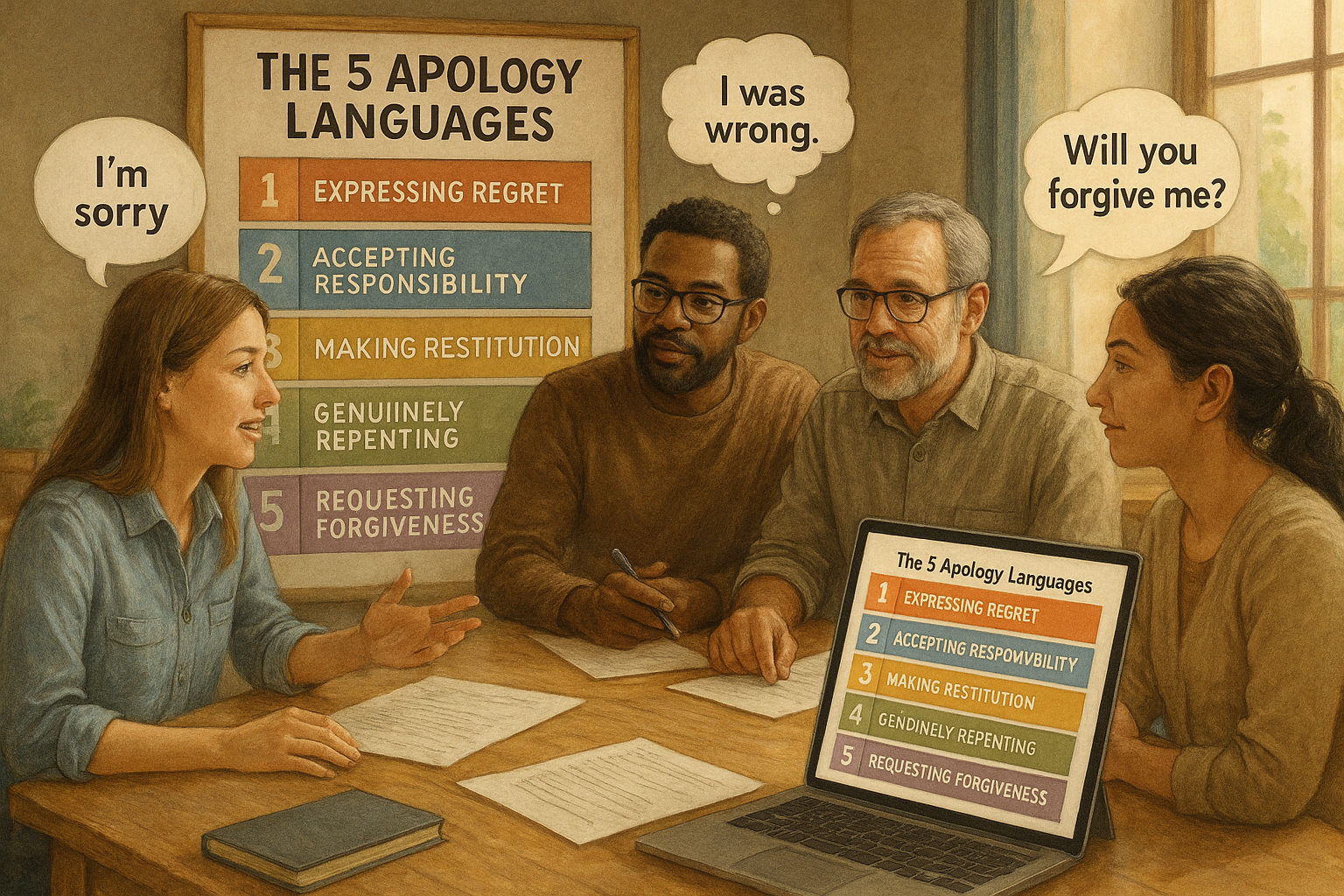
This isn’t a perfect formula, but it’s what I’ve scraped together from therapy, ruined dinners, and genuine repair. Think of it as my apology language cheat sheet.
- The Feeling Acknowledgment: You have to name THEIR feeling, not explain YOUR intent. This was my hardest hurdle. “I understand that made you feel unappreciated and invisible.” Not “I didn’t mean to make you feel that way.” Intent is irrelevant! Impact is king. As this article from The Gottman Institute on The Art of the Apology explains, validating your partner’s emotional reality is foundational.
- The Accountability Chaser: This is where you say the part out loud that you want to bury. “That was inconsiderate of me.” “It was selfish.” “I was being a jerk.” Take the label. Wear it. It sucks, but it’s the price of the ticket.
- The (Optional) Repair Offer: Sometimes, you can ask, “What can I do to make it better right now?” Or offer your own idea. “Can I reheat the stew and we can eat it properly, and I’ll tell you three things I love about it?” But—and this is crucial—if they say “nothing,” you accept that. The apology is the act. The repair is a gift they may not be ready to give.

Why This “How to Apologize” Thing Actually Changes Things
When I started doing this—clumsily, awkwardly—something shifted. The fights didn’t last as long. How to Apologize in a Relationship The resentment didn’t pool. That book How to Apologize by David LaRochelle (yes, it’s a kids’ book, fight me) actually nails it: a good apology connects you again. It’s like hitting the emotional reset button. You’re not just saying words; you’re performing a tiny act of rebuilding trust. Psychology Today has a great piece on Why a Good Apology Matters that digs into the neuroscience of it—it literally helps soothe the hurt person’s brain.

